Early Orthodontic Intervention
Early Orthodontic Intervention
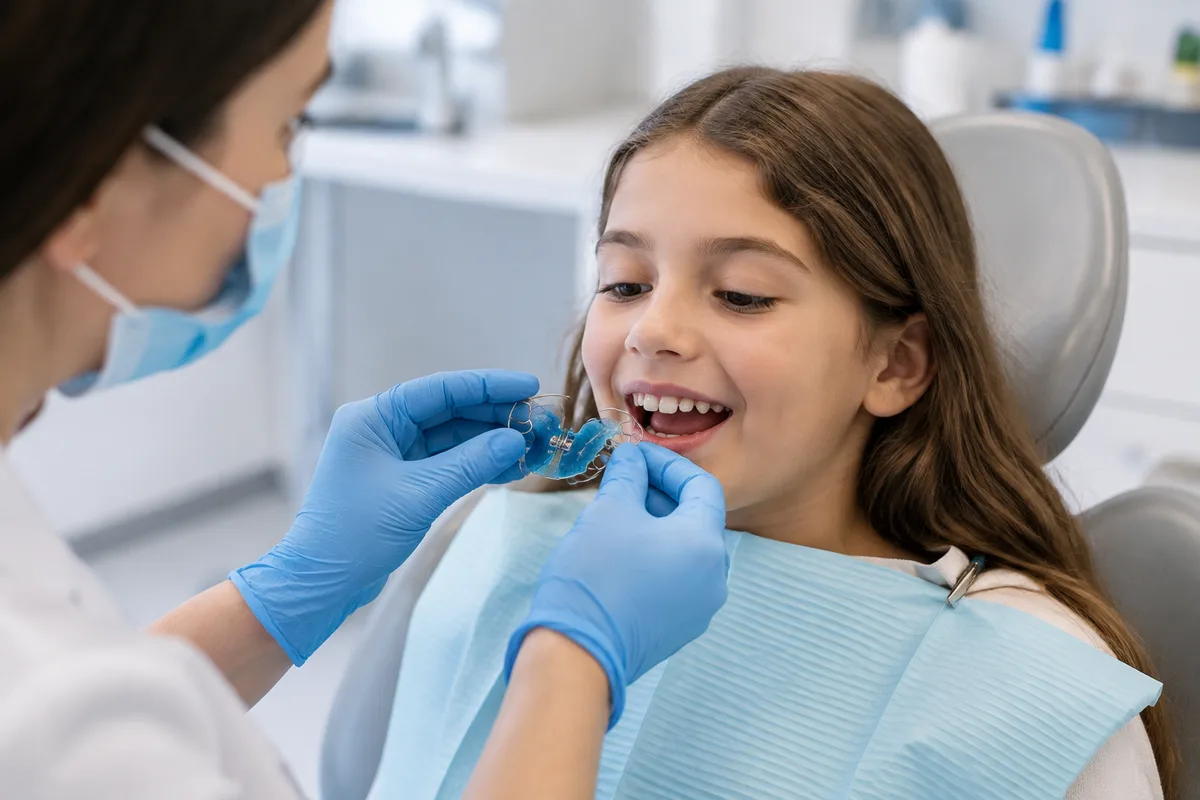
Early orthodontic intervention refers to evaluating a child's bite, jaw growth, and airway development at a young age, so that any concerns can be addressed while the jaw and facial structures are still growing. This approach focuses on guiding healthy development rather than only correcting problems after growth is complete. At Jeremy Montrose, DMD, this evaluation is part of a broader, physiologic view of oral health and function.
What Early Intervention May Address
- Jaw growth and alignment — monitoring how the upper and lower jaws are developing relative to each other.
- Airway and breathing patterns — considering how jaw and dental development may relate to nasal breathing and airway space.
- Crowding and spacing — identifying early signs that permanent teeth may not have adequate room to erupt.
- Habits affecting growth — such as thumb-sucking or tongue posture that can influence developing structures.
Evaluation and Planning
Dr. Jeremy Montrose, D.M.D., lectures nationally and internationally on early orthodontic intervention and airway- and TMJ-focused orthodontics, and brings this same growth-and-development lens to evaluations in his New York office. When a more detailed view of jaw, joint, or airway structure is helpful, CBCT (Cone Beam CT) imaging may be used to inform treatment planning.
Growth-Focused Options
- Expansion appliances — used to help create additional space within the developing dental arches.
- Functional appliances — support jaw positioning during active growth.
- Orthopedic growth and remodeling appliances — guide skeletal development over time.
This content is for general information only and isn't dental or medical advice. Talk with a qualified provider about your own situation. If you have a medical emergency, call 911.