Traditional Braces
Traditional Braces
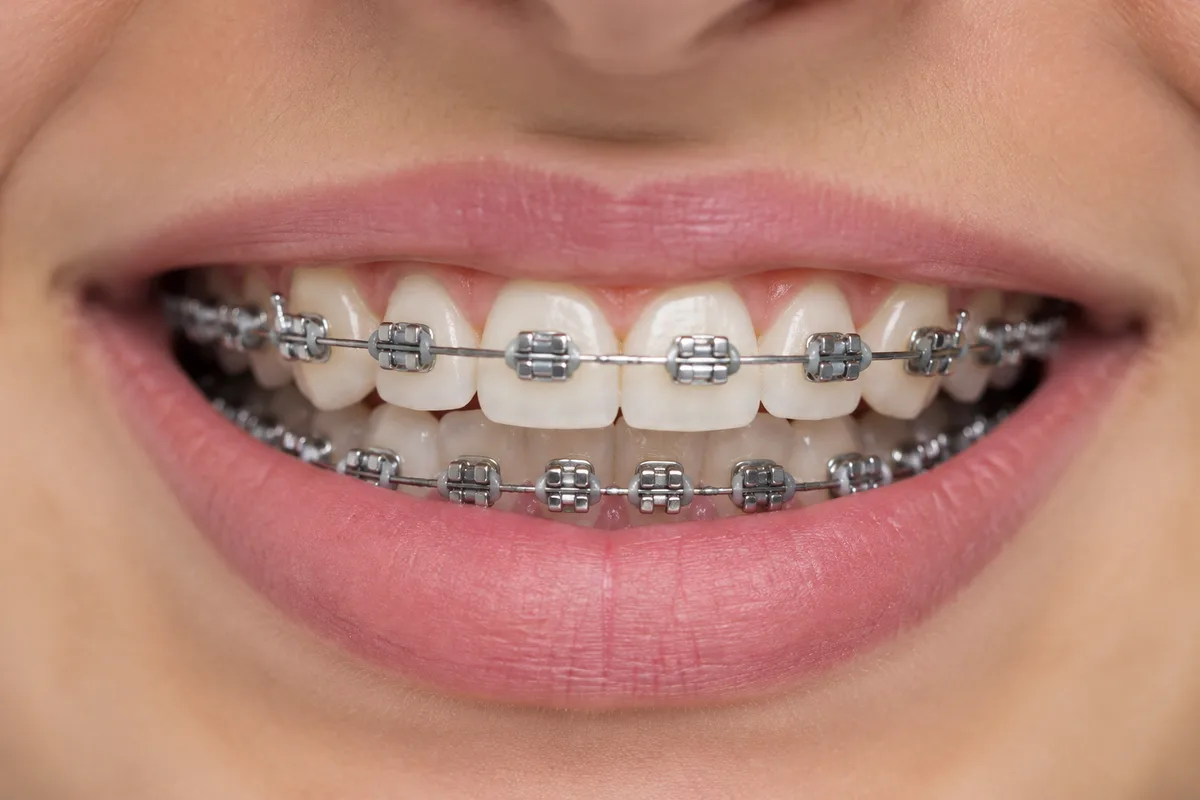
Traditional braces use brackets and wires to gradually move teeth into better alignment, correcting crowding, spacing, and bite issues. At Jeremy Montrose, DMD in New York, NY, traditional braces are considered as part of a broader look at jaw structure, growth, and function, not just tooth position alone.
How Traditional Braces Fit Into Care Here
Dr. Jeremy Montrose, D.M.D., focuses his orthodontic work on airway-, TMJ-, and face-focused principles, considering how tooth movement relates to jaw development and function. When traditional braces are appropriate, they are planned with this same attention to the surrounding skeletal and airway structures.
- Alignment Correction — brackets and wires reposition crowded, gapped, or rotated teeth over time.
- Bite Adjustment — braces can help correct overbite, underbite, crossbite, and open bite patterns.
- Growth-Aware Planning — treatment may be coordinated with expansion or functional appliances when jaw development is a factor.
Diagnostic Support
CBCT (Cone Beam CT) imaging is available on-site, giving a detailed three-dimensional view of jaw, joint, and airway structure. This can help guide orthodontic treatment planning, including cases involving traditional braces, alongside standard digital X-rays for routine diagnostic imaging.
Who Traditional Braces May Suit
- Children and Adults — traditional braces are used across age groups, depending on the alignment and bite concerns present.
- Complex Movements — certain tooth positioning issues are more predictably managed with fixed brackets and wires than with removable alternatives.
This content is for general information only and isn't dental or medical advice. Talk with a qualified provider about your own situation. If you have a medical emergency, call 911.